

As a trusted supplier of 12mm linear guideways with sliders, I often receive inquiries from customers about the proper lubrication methods for these essential components. Lubrication plays a crucial role in the performance, longevity, and efficiency of linear guideways. In this blog post, I will delve into the details of lubricating a 12mm linear guideway with a slider, providing you with valuable insights and best practices.
Why Lubrication is Essential
Before we discuss the lubrication methods, let's understand why lubrication is so important for linear guideways. A well - lubricated linear guideway can significantly reduce friction between the guide rail and the slider. Friction not only causes wear and tear on the components but also generates heat, which can lead to thermal expansion and affect the accuracy of the linear motion. By reducing friction, lubrication helps to extend the service life of the guideway, improve its running smoothness, and enhance the overall performance of the machinery in which it is installed.
Types of Lubricants
There are several types of lubricants that can be used for 12mm linear guideways with sliders, each with its own characteristics and applications.
Grease
Grease is a popular choice for lubricating linear guideways. It has excellent adhesion properties, which means it can stay in place on the guide rail and slider surfaces for an extended period. Grease provides a continuous lubricating film that protects the components from corrosion and reduces friction. It is also effective in preventing the ingress of dust and debris. When choosing a grease for your linear guideway, consider factors such as the operating temperature, load, and speed of the application. For example, high - temperature greases are suitable for applications where the guideway is exposed to elevated temperatures, while low - temperature greases are better for cold environments.
Oil
Oil lubrication offers some advantages over grease. It has better heat dissipation properties, which is beneficial for high - speed applications. Oil can also provide more precise lubrication, as it can be delivered in a more controlled manner. However, oil requires a more complex lubrication system, such as an oil - mist lubrication system or an oil - circulation system. These systems ensure that the oil is continuously supplied to the guideway surfaces.
Lubrication Methods
Manual Lubrication
Manual lubrication is the simplest and most straightforward method. It involves applying the lubricant directly to the guide rail and slider using a grease gun or a brush. This method is suitable for small - scale applications or when the guideway is easily accessible. However, manual lubrication has some limitations. It is difficult to ensure consistent lubrication, and the frequency of lubrication may not be optimal, which can lead to premature wear of the components.
Automatic Lubrication
Automatic lubrication systems are more reliable and efficient than manual lubrication. There are several types of automatic lubrication systems available for linear guideways.
Grease - based Automatic Lubrication
Grease - based automatic lubrication systems use a grease pump to deliver the grease to the guideway at regular intervals. These systems can be set to dispense a specific amount of grease, ensuring consistent lubrication. Some grease - based automatic lubrication systems are equipped with sensors that can detect the lubricant level and refill it automatically when needed.
Oil - based Automatic Lubrication
Oil - based automatic lubrication systems, such as oil - mist lubrication systems, atomize the oil into fine particles and deliver them to the guideway surfaces. This method provides a uniform lubricating film and is suitable for high - speed applications. Oil - circulation systems are another type of oil - based automatic lubrication system. In these systems, the oil is continuously circulated through the guideway, removing heat and contaminants.
Lubrication Frequency
The lubrication frequency depends on several factors, including the type of lubricant used, the operating conditions, and the load on the guideway. For grease lubrication, the lubrication interval may range from several days to several months, depending on the application. In general, high - load and high - speed applications require more frequent lubrication. For oil lubrication, the lubrication frequency is usually more frequent, as the oil may need to be replenished more often to maintain the lubricating film.
Precautions during Lubrication
When lubricating a 12mm linear guideway with a slider, there are several precautions that you should take.
- Cleanliness: Before applying the lubricant, make sure that the guide rail and slider surfaces are clean. Any dust, debris, or old lubricant should be removed to ensure proper adhesion of the new lubricant.
- Amount of Lubricant: Apply the right amount of lubricant. Too much lubricant can cause excessive drag and attract dust, while too little lubricant may not provide adequate protection.
- Compatibility: Ensure that the lubricant is compatible with the materials of the guideway and slider. Using an incompatible lubricant can cause chemical reactions that may damage the components.
Other Related Products
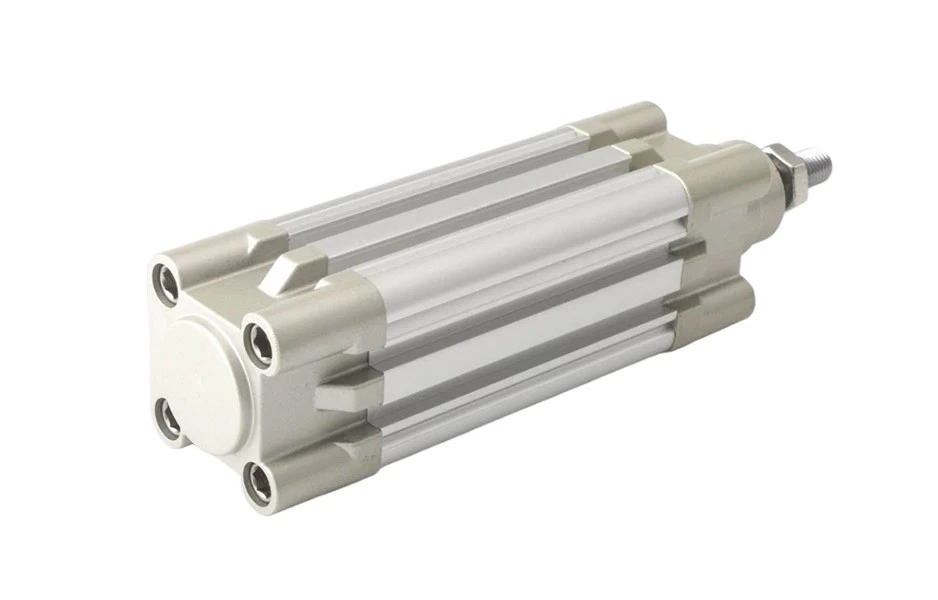
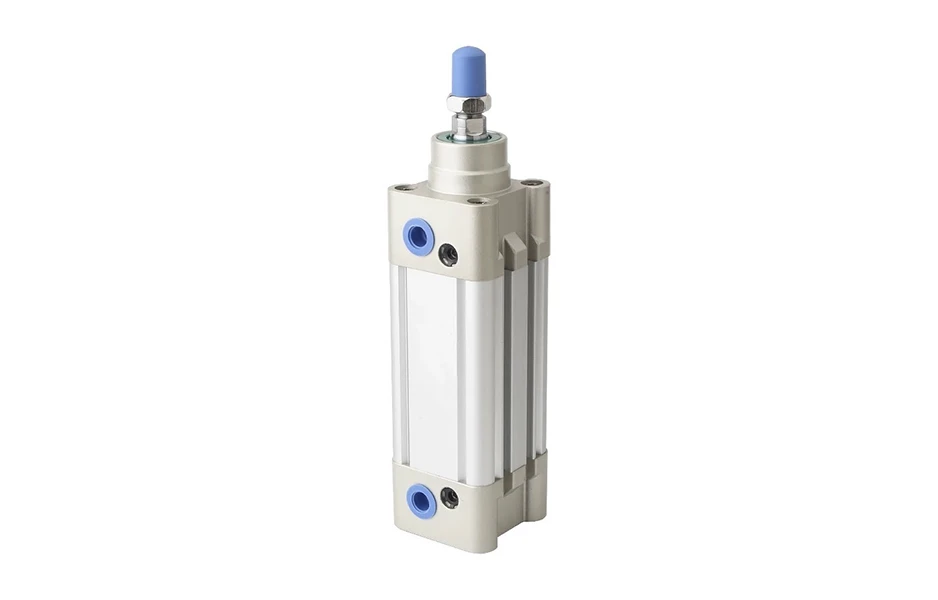
In addition to 12mm linear guideways with sliders, we also offer a range of other high - quality products. For example, the V2 Sereries Cross Roller Linear Guide is a precision linear guide that provides high rigidity and smooth motion. The HFR 180 Degree Angular Air Cylinder is a reliable pneumatic component that can be used in various automation applications. And the SE Series Standard Cylinder is a versatile cylinder that offers consistent performance.
Contact for Purchase and Negotiation
If you are interested in our 12mm linear guideways with sliders or any of our other products, we invite you to contact us for purchase and negotiation. Our team of experts is ready to assist you in selecting the right products for your specific applications and to provide you with the best solutions.
References
- "Linear Motion Technology Handbook"
- "Lubrication Engineering Principles for Mechanical Design"