

As a reputable supplier of the mhz2 single acting two jaw cylinder, I've had the privilege of working closely with these precision-engineered components in various industrial applications. Over the years, I've come to recognize the importance of being able to identify the signs of failure in these cylinders. In this blog post, I'll share my insights on the common indicators that your mhz2 single acting two jaw cylinder might be experiencing issues, allowing you to take proactive measures to prevent costly downtime and ensure the smooth operation of your machinery.
1. Reduced Clamping Force
One of the most noticeable signs of failure in the mhz2 single acting two jaw cylinder is a reduction in clamping force. This can have a significant impact on the performance of your equipment, as the cylinder may no longer be able to hold workpieces securely in place. There are several factors that can contribute to a loss of clamping force, including:
- Leakage: Pneumatic cylinders rely on a sealed system to maintain pressure and generate force. If there is a leak in the cylinder, either due to worn seals or damaged components, the pressure within the cylinder will decrease, resulting in reduced clamping force. You may notice air escaping from the cylinder, or you might observe a hissing sound when the cylinder is in operation.
- Worn Components: Over time, the internal components of the cylinder, such as the piston, seals, and bearings, can wear out due to normal use. This can lead to increased friction and reduced efficiency, causing the cylinder to lose clamping force. Inspect the cylinder regularly for signs of wear, such as scratches, grooves, or excessive play in the moving parts.
- Contamination: Dirt, dust, and other contaminants can enter the cylinder and cause damage to the internal components. This can lead to increased friction, wear, and reduced performance. Make sure to keep the cylinder clean and protected from contaminants, and use appropriate filters and lubricants to prevent contamination.
2. Erratic Movement
Another sign of failure in the mhz2 single acting two jaw cylinder is erratic movement. This can manifest as jerky or uneven motion, hesitation, or failure to move at all. Erratic movement can be caused by a variety of factors, including:
- Air Supply Issues: A consistent and adequate air supply is essential for the proper operation of pneumatic cylinders. If the air supply is interrupted, restricted, or contains contaminants, it can cause the cylinder to behave erratically. Check the air supply lines for blockages, leaks, or damage, and ensure that the air pressure is within the recommended range.
- Valve Problems: The valves that control the flow of air to the cylinder can also cause erratic movement if they are not functioning properly. Faulty valves can stick, leak, or fail to open or close at the correct time, leading to inconsistent operation. Inspect the valves regularly for signs of wear, damage, or contamination, and replace them if necessary.
- Mechanical Obstructions: There may be mechanical obstructions within the cylinder or its associated components that prevent smooth movement. This could include debris, misaligned parts, or damaged guides. Carefully inspect the cylinder and its surroundings for any signs of obstructions, and remove them if found.
3. Excessive Noise
Excessive noise during the operation of the mhz2 single acting two jaw cylinder can be a sign of underlying problems. While some noise is normal, unusually loud or abnormal noises can indicate issues such as:
- Worn or Damaged Components: As mentioned earlier, worn or damaged internal components can cause increased friction and vibration, resulting in excessive noise. This can include worn seals, bearings, or pistons. Inspect the cylinder for signs of wear and replace any damaged components as soon as possible.
- Loose or Misaligned Parts: Loose or misaligned parts within the cylinder or its mounting can also cause noise. Check the mounting bolts and connections to ensure that they are tight and secure, and make sure that the cylinder is properly aligned.
- Air Turbulence: Improper air flow within the cylinder can create turbulence, which can lead to noise. This can be caused by incorrect valve settings, blockages in the air supply lines, or other factors. Check the air flow and make any necessary adjustments to ensure smooth and quiet operation.
4. Increased Heat Generation
An increase in heat generation during the operation of the mhz2 single acting two jaw cylinder can be a sign of excessive friction or other problems. Heat can cause damage to the internal components of the cylinder, such as the seals and lubricants, and can also reduce the efficiency of the cylinder. Some possible causes of increased heat generation include:
- Overloading: If the cylinder is subjected to loads that exceed its rated capacity, it can cause excessive friction and heat generation. Make sure to operate the cylinder within its specified load limits to prevent overloading.
- Lack of Lubrication: Proper lubrication is essential for reducing friction and heat in pneumatic cylinders. If the cylinder is not properly lubricated, the internal components can rub against each other, causing increased friction and heat. Check the lubrication levels regularly and add lubricant as needed.
- Internal Damage: Internal damage to the cylinder, such as worn seals or bearings, can also cause increased friction and heat generation. Inspect the cylinder for signs of damage and replace any damaged components.
5. Visual Inspection Findings
In addition to the above signs, a visual inspection of the mhz2 single acting two jaw cylinder can also reveal potential issues. Look for the following signs during a visual inspection:
- Leaks: Check for any signs of air or fluid leakage around the cylinder, including at the seals, connections, and ports. Leaks can indicate worn seals or damaged components.
- Corrosion: Corrosion can damage the external and internal surfaces of the cylinder, leading to reduced performance and potential failure. Look for signs of rust, discoloration, or pitting on the cylinder body and other components.
- Physical Damage: Inspect the cylinder for any signs of physical damage, such as cracks, dents, or scratches. Physical damage can weaken the cylinder and cause it to fail prematurely.
Conclusion
Identifying the signs of failure in the mhz2 single acting two jaw cylinder is crucial for maintaining the reliability and performance of your equipment. By being aware of the common indicators of failure, such as reduced clamping force, erratic movement, excessive noise, increased heat generation, and visual inspection findings, you can take proactive measures to address these issues before they lead to costly downtime and repairs.
If you're experiencing any of these signs with your mhz2 single acting two jaw cylinder, or if you have any questions or concerns about the performance of your cylinders, don't hesitate to reach out. As a trusted supplier, I'm here to provide you with the support and expertise you need to keep your operations running smoothly. Whether you need replacement parts, maintenance services, or advice on selecting the right cylinder for your application, I'm ready to assist you.
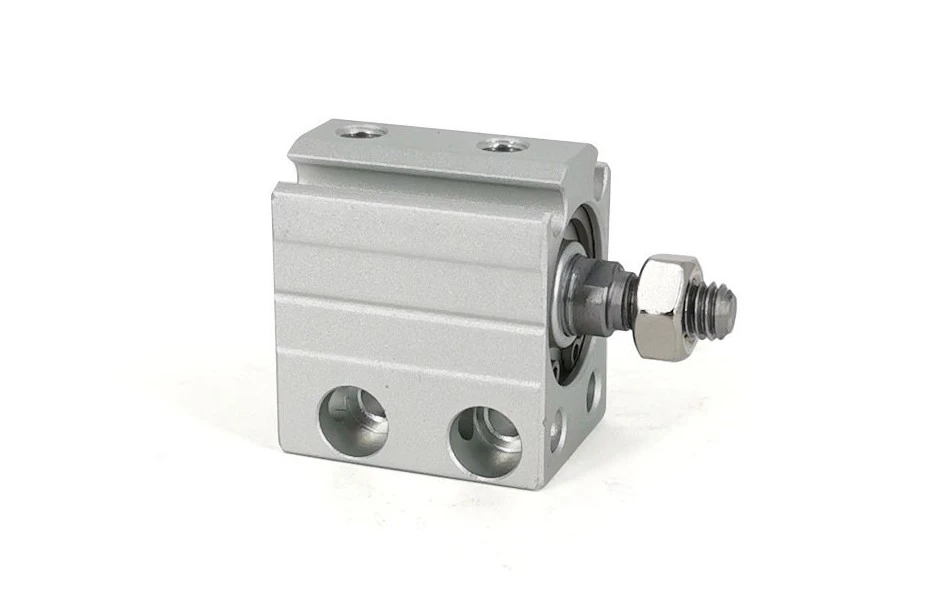

In addition to the mhz2 single acting two jaw cylinder, we also offer a wide range of other high-quality pneumatic cylinders and related products, such as the MBL Series Mini Cylinder, the V18 Sereries High rigidity Crossed Roller, and the MU Series Multi Position Fixed Cylinder. Our products are designed to meet the diverse needs of industrial applications, and we're committed to providing our customers with the best possible solutions.
If you're interested in learning more about our products or discussing your specific requirements, please contact us today. We look forward to the opportunity to work with you and help you achieve your goals.
References
- Pneumatic Cylinder Handbook, Manufacturer's Manual
- Industrial Pneumatics: Principles and Applications, Textbook