

Hey there! I'm a supplier of finger cylinders, and over the years, I've seen my fair share of issues that customers run into. In this blog, I'm gonna talk about the common problems with finger cylinders and how you can deal with them.
1. Leakage
One of the most frequent problems with finger cylinders is leakage. It can happen in various parts of the cylinder, like the seals, connections, or even the cylinder body itself. Leakage can be a real pain because it not only wastes compressed air but also affects the performance of the cylinder.
- Seal wear: Seals are crucial for preventing air from escaping. Over time, due to friction and normal wear and tear, the seals can start to degrade. This is especially true if the cylinder is used in harsh environments or if it's operated at high frequencies. For example, in a manufacturing plant where the finger cylinders are constantly gripping and releasing parts, the seals can wear out quickly.
- Connection issues: Loose connections are another common cause of leakage. If the fittings aren't tightened properly, air can leak out. Sometimes, the vibration from the machine can cause the connections to loosen over time. You might also encounter issues if the wrong type of fittings are used.
To fix leakage problems, you first need to identify where the leak is coming from. You can use a soapy water solution to check for leaks. Just apply the solution to the suspected areas, and if there are bubbles forming, that's a sign of a leak. For seal wear, you'll need to replace the seals. Make sure to use high - quality seals that are compatible with your finger cylinder. For connection issues, simply tighten the fittings or replace them if they're damaged.
2. Reduced gripping force
Another problem that customers often face is a reduced gripping force. This can be a big deal, especially in applications where precise and strong gripping is required.
- Air pressure problems: The gripping force of a finger cylinder is directly related to the air pressure. If the air pressure is too low, the cylinder won't be able to grip the parts firmly. This can be due to a faulty pressure regulator, a leak in the air supply system, or an overloaded compressor.
- Mechanical wear: Over time, the mechanical components of the finger cylinder, such as the jaws and the linkage, can wear out. This can lead to a decrease in the gripping force. For instance, if the jaws are worn, they might not be able to make proper contact with the parts, resulting in a weaker grip.
To address reduced gripping force, start by checking the air pressure. Use a pressure gauge to make sure the pressure is within the recommended range for your finger cylinder. If the pressure is low, check the pressure regulator and the air supply system for leaks. If it's a mechanical wear issue, you may need to replace the worn parts.
3. Jamming
Jamming is a frustrating problem that can stop the operation of the finger cylinder completely.
- Foreign objects: One of the main causes of jamming is the presence of foreign objects in the cylinder. In industrial environments, dust, debris, and small particles can get into the cylinder and prevent the jaws from moving smoothly. For example, in a woodworking shop, sawdust can accumulate in the cylinder and cause jamming.
- Mechanical damage: Bent or damaged parts can also lead to jamming. If the cylinder is subjected to a sudden impact or if it's overloaded, the mechanical components can get damaged. This can cause the jaws to get stuck in a certain position.
To prevent jamming, make sure to keep the working environment clean. Use filters in the air supply system to prevent dust and debris from entering the cylinder. If jamming occurs, carefully inspect the cylinder for foreign objects or mechanical damage. Remove any foreign objects and replace the damaged parts if necessary.
4. Noise and vibration
Excessive noise and vibration can be a nuisance, and they can also indicate underlying problems with the finger cylinder.
- Improper installation: If the finger cylinder is not installed correctly, it can cause noise and vibration. For example, if the cylinder is not properly aligned or if the mounting bolts are not tightened evenly, it can lead to uneven movement and increased noise.
- Worn parts: Worn bearings, gears, or other mechanical parts can also cause noise and vibration. As these parts wear out, they can create more friction and uneven movement, resulting in a noisy and vibrating cylinder.
To reduce noise and vibration, ensure proper installation of the finger cylinder. Follow the manufacturer's installation instructions carefully. If the noise and vibration are due to worn parts, replace them as soon as possible.
5. Premature failure
Sometimes, finger cylinders can fail prematurely, which can be a costly problem for customers.

- Overloading: Using the finger cylinder beyond its rated capacity is a common cause of premature failure. If the cylinder is constantly subjected to loads that are too heavy, it can cause excessive stress on the components, leading to early wear and failure.
- Poor maintenance: Lack of proper maintenance can also contribute to premature failure. If the cylinder is not lubricated regularly, the seals and other moving parts can dry out and wear out faster.
To avoid premature failure, make sure to choose the right finger cylinder for your application. Check the load - capacity ratings and choose a cylinder that can handle the expected loads. Also, follow a regular maintenance schedule, including lubrication, inspection, and replacement of worn parts.
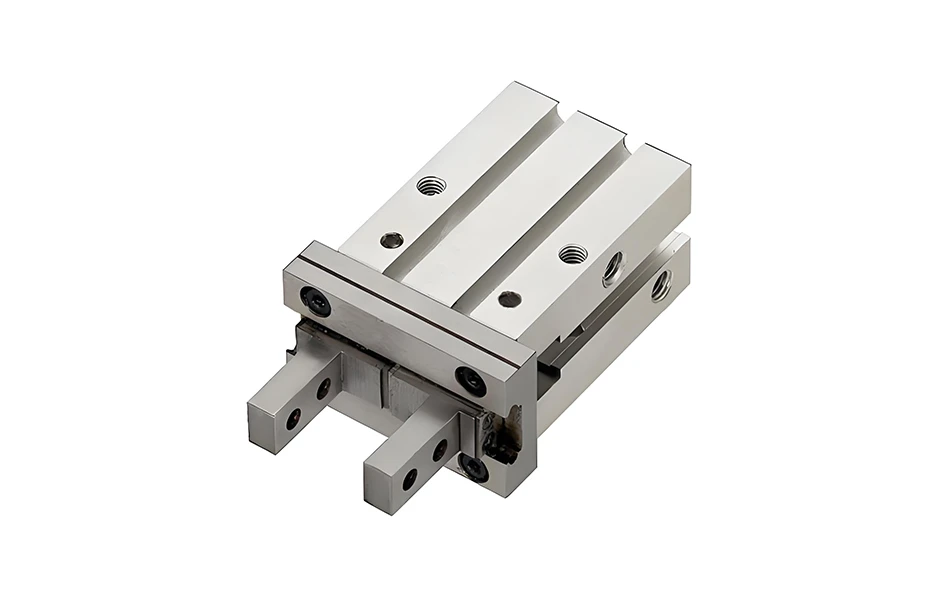
Now, if you're in the market for high - quality finger cylinders, we've got a great range of products. Check out our MHZ2 Single Acting Two Jaw Cylinder, MHZ2 Parallel Type Air Gripper, and MHZL2 Long Stroke Pneumatic Air Cylinder. These products are designed to be reliable and durable, and we can help you choose the right one for your specific needs. If you have any questions or want to discuss a potential purchase, don't hesitate to reach out. We're here to assist you with all your finger cylinder requirements.
References
- Pneumatic Cylinder Handbook
- Industrial Automation Equipment Manuals