

Hey there! As a supplier of the mhz2 single acting two jaw cylinder, I've had my fair share of experiences with these nifty little devices. In this blog post, I'm gonna talk about the common problems you might run into with the mhz2 single acting two jaw cylinder and how to deal with them.
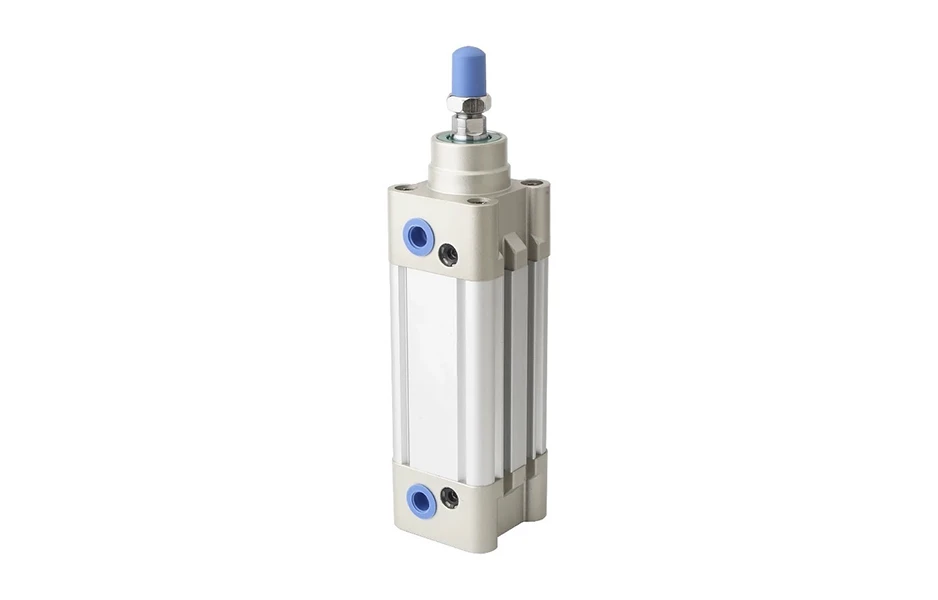

1. Leakage Issues
One of the most common problems with the mhz2 single acting two jaw cylinder is leakage. Leakage can occur in different places, like around the seals or at the connections. If you notice some drops of oil or air seeping out, it's a clear sign of a leak.
There could be several reasons for this. First, the seals might be worn out. Over time, the constant movement and pressure in the cylinder can cause the seals to degrade. Another reason could be improper installation. If the seals aren't installed correctly, they won't be able to do their job properly and prevent leakage.
To fix this problem, you need to replace the worn - out seals. It's a good idea to keep some spare seals on hand. Make sure to follow the manufacturer's instructions when installing the new seals to ensure a proper fit. Also, check all the connections and make sure they're tightened properly. Sometimes, just a loose connection can cause a leak.
2. Jamming or Sticking
The mhz2 single acting two jaw cylinder might sometimes jam or stick during operation. This can be a real pain in the neck, especially if you're in the middle of an important project.
Jamming can happen due to the presence of dirt, debris, or contaminants inside the cylinder. These particles can get stuck in the moving parts, making it difficult for the cylinder to function smoothly. Another factor could be insufficient lubrication. If the cylinder isn't lubricated regularly, the friction between the moving parts can increase, leading to jamming.
To solve this issue, you should clean the cylinder regularly. You can use a suitable cleaning agent to remove any dirt or debris. Also, make sure to lubricate the cylinder as per the manufacturer's recommendations. Using the right type of lubricant is crucial for smooth operation.
3. Inconsistent Force Output
Sometimes, you might notice that the mhz2 single acting two jaw cylinder isn't providing a consistent force output. This can be a problem, especially in applications where precise force control is required.
The main reason for inconsistent force output is often related to the pressure supply. If the air or hydraulic pressure isn't stable, the force exerted by the cylinder will vary. Another possible cause could be internal damage to the cylinder components, such as a worn - out piston or a damaged valve.
To address this problem, you need to check the pressure supply system. Make sure the pressure regulator is working correctly and that there are no leaks in the pressure lines. If you suspect internal damage, it's best to have a professional inspect the cylinder. They can determine if any parts need to be replaced.
4. Noise During Operation
If your mhz2 single acting two jaw cylinder is making a lot of noise during operation, it's a sign that something might be wrong. Excessive noise can be caused by a few different things.
Loose parts are a common culprit. If any of the bolts or nuts holding the cylinder together are loose, they can cause rattling or banging noises. Another reason could be misalignment. If the cylinder isn't properly aligned, the moving parts can rub against each other, creating noise.
To fix the noise problem, start by tightening all the loose parts. Make sure all the bolts and nuts are properly torqued. If the noise persists, check the alignment of the cylinder. You might need to adjust the mounting position to ensure proper alignment.
5. Premature Wear of Components
The components of the mhz2 single acting two jaw cylinder can sometimes wear out prematurely. This can lead to reduced performance and a shorter lifespan of the cylinder.
One of the main reasons for premature wear is using the cylinder in harsh environments. If the cylinder is exposed to high temperatures, corrosive substances, or excessive dust, the components will wear out faster. Another factor could be overloading. If the cylinder is used to handle loads that are beyond its rated capacity, it will put extra stress on the components, causing them to wear out quickly.
To prevent premature wear, make sure to use the cylinder in the appropriate environment. If necessary, you can use protective covers to shield the cylinder from dust and other contaminants. Also, always adhere to the manufacturer's recommended load limits.
Comparison with Other Products
When it comes to choosing the right cylinder for your application, it's important to consider other options as well. For example, if you're looking for high - rigidity components, you might want to check out the V15 Sereries High rigidity Crossed Roller and V6 Sereries High Rigidity Crossed Roller. These products offer excellent rigidity and can be a great alternative depending on your specific needs.
On the other hand, if you're interested in a standard cylinder, the SE Series Standard Cylinder is a reliable choice. It has a wide range of applications and is known for its durability.
So, What's Next?
If you're dealing with any of the problems I've mentioned above with your mhz2 single acting two jaw cylinder, don't worry. We're here to help. As a supplier, we have a wealth of experience and knowledge about these cylinders. We can provide you with the right solutions, whether it's spare parts, maintenance advice, or even a new cylinder if needed.
If you're thinking about purchasing a mhz2 single acting two jaw cylinder or just want to talk about your specific requirements, we'd love to have a chat with you. Our team is always ready to assist you and provide you with the best products and services. So, don't hesitate to reach out and start a conversation about your procurement needs. You'll find that getting the right cylinder for your application can be a smooth and easy process with our help.
References
- Industry best practices for pneumatic cylinder maintenance.
- Manufacturer's guidelines for the mhz2 single acting two jaw cylinder.
- Technical literature on crossed roller guides and standard cylinders.