

Precision machining is a highly specialized manufacturing process that involves the creation of parts and components with extremely tight tolerances and high levels of accuracy. As a precision machining supplier, I have witnessed firsthand the numerous challenges that come with this field. In this blog post, I will delve into some of the most significant challenges in precision machining and discuss how we address them to ensure the delivery of high-quality products.
Material Selection and Quality
One of the primary challenges in precision machining is selecting the right materials for the job. Different materials have varying properties, such as hardness, ductility, and thermal conductivity, which can significantly impact the machining process. For instance, harder materials like stainless steel and titanium are more difficult to machine compared to softer materials like aluminum. They require more powerful cutting tools and slower machining speeds, which can increase production time and cost.
Moreover, the quality of the material itself can pose challenges. Even minor impurities or inconsistencies in the material can lead to defects in the machined parts. As a supplier, we work closely with our material suppliers to ensure that we source high-quality materials that meet our strict specifications. We conduct thorough inspections and tests on incoming materials to detect any potential issues before they enter the machining process.
Tool Wear and Breakage
Cutting tools are the heart of precision machining, and tool wear and breakage are constant concerns. During the machining process, the cutting tools are subjected to high levels of stress, heat, and friction, which can cause them to wear out over time. Tool wear can lead to a decrease in machining accuracy, surface finish quality, and productivity. In some cases, the tools may even break, resulting in costly downtime and potential damage to the workpiece.
To mitigate the effects of tool wear and breakage, we use advanced tool monitoring systems that can detect changes in tool performance in real-time. These systems allow us to replace worn or damaged tools before they cause any significant problems. Additionally, we invest in high-quality cutting tools made from advanced materials, such as carbide and ceramic, which offer better wear resistance and longer tool life.
Machining Tolerances and Accuracy
Precision machining requires achieving extremely tight tolerances, often in the range of micrometers or even nanometers. Maintaining these tolerances throughout the machining process is a significant challenge, as even the slightest deviation can render the part unusable. Factors such as machine tool accuracy, thermal expansion, and vibration can all affect the final dimensions of the machined part.
To ensure the highest level of accuracy, we use state-of-the-art CNC (Computer Numerical Control) machines that are capable of precise control and repeatability. These machines are equipped with advanced sensors and feedback systems that can compensate for any errors or variations during the machining process. We also perform regular calibration and maintenance on our machines to ensure their optimal performance.
Surface Finish Quality
In addition to dimensional accuracy, the surface finish quality of the machined parts is also crucial, especially in applications where the parts come into contact with other components or where aesthetics are important. Achieving a smooth and uniform surface finish requires careful selection of cutting parameters, such as cutting speed, feed rate, and depth of cut, as well as the use of appropriate cutting tools and coolant.
However, achieving the desired surface finish can be challenging, as factors such as tool wear, material properties, and machining vibrations can all affect the surface quality. To overcome these challenges, we have developed advanced machining techniques and processes that allow us to achieve excellent surface finishes on a wide range of materials. We also use surface finishing equipment, such as grinding and polishing machines, to further improve the surface quality of the parts.
Complex Geometries and Shapes
Many precision machining applications require the production of parts with complex geometries and shapes, such as intricate contours, holes, and threads. Machining these complex parts requires advanced programming skills and specialized machining techniques. The programming process can be time-consuming and challenging, as it involves creating a detailed toolpath that takes into account the part's geometry, material properties, and machining constraints.

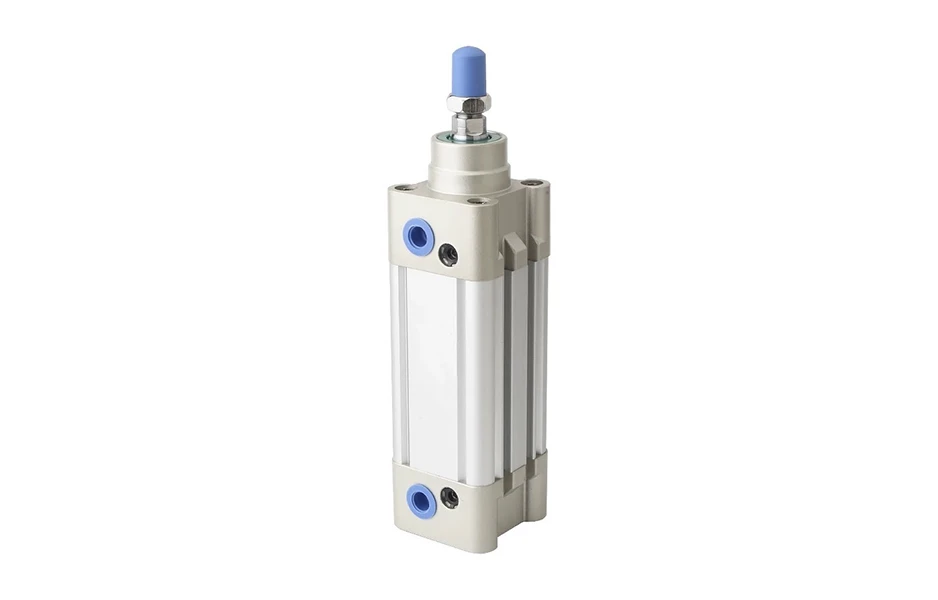
To address the challenges of machining complex geometries, we have a team of experienced CNC programmers who are proficient in using advanced CAD/CAM (Computer-Aided Design/Computer-Aided Manufacturing) software. These software tools allow us to create accurate 3D models of the parts and generate optimized toolpaths for the machining process. We also use multi-axis machining centers that can perform multiple operations simultaneously, reducing the production time and improving the accuracy of the parts.
Environmental and Safety Regulations
Precision machining involves the use of various chemicals, lubricants, and coolants, which can have a significant impact on the environment and the health and safety of the workers. As a responsible supplier, we are committed to complying with all relevant environmental and safety regulations. This requires us to implement strict waste management practices, use environmentally friendly chemicals and lubricants, and provide proper training and protective equipment to our employees.
Complying with these regulations can be challenging, as they are constantly evolving and becoming more stringent. We stay up-to-date with the latest regulations and invest in research and development to find innovative solutions that minimize our environmental impact while maintaining the high quality of our products.
Cost Management
Cost management is another critical challenge in precision machining. The high cost of equipment, materials, and labor, combined with the need to achieve tight tolerances and high-quality finishes, can make precision machining a costly process. As a supplier, we need to find ways to optimize our production processes and reduce costs without compromising on the quality of our products.
One way we manage costs is by implementing lean manufacturing principles, which focus on eliminating waste and improving efficiency in all aspects of the production process. We also work closely with our customers to understand their requirements and find cost-effective solutions that meet their needs. For example, we may suggest alternative materials or machining processes that can reduce costs without sacrificing performance.
Conclusion
Precision machining is a complex and challenging field that requires a high level of expertise, advanced technology, and strict quality control. As a precision machining supplier, we face numerous challenges on a daily basis, from material selection and tool wear to machining tolerances and cost management. However, by investing in advanced equipment, technology, and talent, and by implementing strict quality control measures, we are able to overcome these challenges and deliver high-quality precision machined parts to our customers.
If you are in need of precision machining services, we would be delighted to discuss your requirements and provide you with a customized solution. Our team of experts is ready to assist you in achieving your goals and ensuring the success of your projects. Contact us today to start the conversation and explore how we can help you with your precision machining needs.
References
- Smith, J. (2020). Precision Machining: Principles and Practices. Publisher XYZ.
- Johnson, A. (2019). Advanced Cutting Tools for Precision Machining. Journal of Manufacturing Technology, 25(3), 123-135.
- Brown, C. (2018). Achieving Tight Tolerances in Precision Machining. Manufacturing Engineering Magazine, 45(6), 78-85.