

Slide table cylinders are widely used in various industrial applications due to their precision and efficiency. However, one common issue that many users face is the noise generated during their operation. Excessive noise not only creates an uncomfortable working environment but can also indicate potential problems with the cylinder's performance. As a slide table cylinders supplier, I understand the importance of addressing this issue. In this blog post, I'll share some effective ways to reduce the noise of slide table cylinders.
Understanding the Sources of Noise in Slide Table Cylinders
Before we dive into the solutions, it's essential to understand where the noise comes from. There are several potential sources of noise in slide table cylinders:
- Air Flow Turbulence: When compressed air enters and exits the cylinder, it can create turbulence, which leads to noise. This is especially true if the air flow rate is too high or if there are restrictions in the air supply lines.
- Mechanical Vibration: The movement of the piston, rod, and other components within the cylinder can cause mechanical vibrations. These vibrations can be transmitted to the surrounding structures and result in audible noise.
- Impact and Friction: When the piston reaches the end of its stroke, it can create an impact with the cylinder end cap. Additionally, friction between the moving parts, such as the piston and the cylinder bore, can also generate noise.
Optimizing Air Supply
One of the primary ways to reduce noise in slide table cylinders is to optimize the air supply. Here are some tips:
- Proper Sizing of Air Supply Lines: Ensure that the air supply lines are properly sized to match the cylinder's requirements. Undersized lines can restrict the air flow, leading to increased turbulence and noise. You can refer to the manufacturer's specifications to determine the appropriate line size.
- Use of Pressure Regulators: Install pressure regulators to control the air pressure supplied to the cylinder. Maintaining a consistent and appropriate pressure can help reduce air flow turbulence and minimize noise.
- Air Filter and Lubricator: Incorporate an air filter and lubricator in the air supply system. The filter helps remove contaminants from the air, which can cause damage to the cylinder and increase noise. The lubricator ensures smooth operation of the moving parts, reducing friction and noise.
Selecting the Right Cylinder
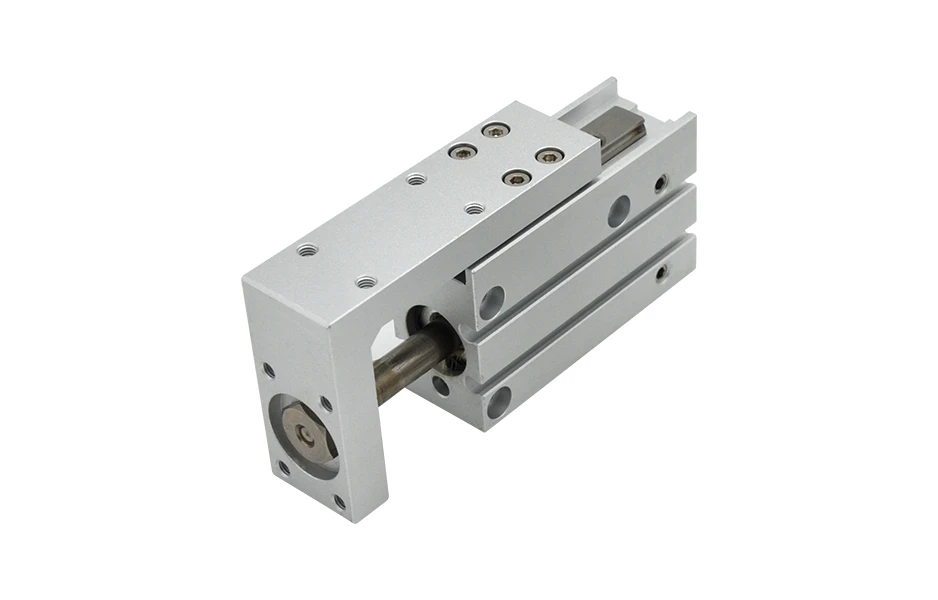
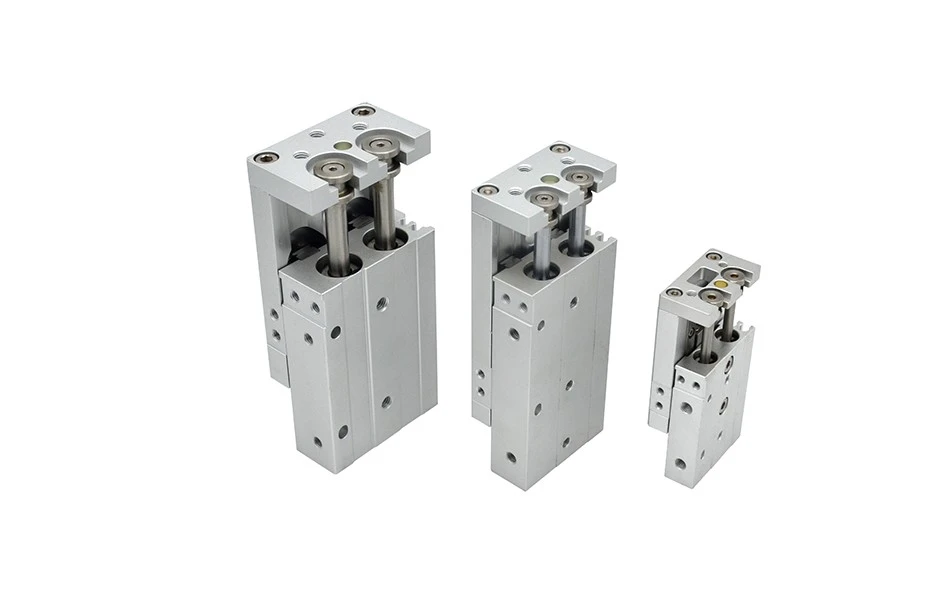
The choice of slide table cylinder can also have a significant impact on noise levels. At our company, we offer a range of high - quality slide table cylinders, such as the MXH Series Compact Slide Cylinder, HLQ Series Slide Table Cylinder, and HLH Series Slide Table Cylinder. These cylinders are designed with noise reduction in mind:
- Damping Mechanisms: Some of our cylinders are equipped with built - in damping mechanisms. These mechanisms absorb the impact energy when the piston reaches the end of its stroke, reducing the noise caused by the impact.
- Low - Friction Materials: We use low - friction materials in the construction of our cylinders. This helps minimize the friction between the moving parts, resulting in quieter operation.
- Precision Manufacturing: Our cylinders are manufactured with high precision, ensuring smooth and stable movement. This reduces mechanical vibrations and noise.
Installation and Mounting
Proper installation and mounting of the slide table cylinder are crucial for noise reduction. Here's what you need to keep in mind:
- Stable Mounting Surface: Mount the cylinder on a stable and rigid surface. A flexible or unstable mounting surface can amplify the vibrations generated by the cylinder, leading to increased noise.
- Proper Alignment: Ensure that the cylinder is properly aligned during installation. Misalignment can cause uneven wear and increased friction, resulting in higher noise levels.
- Vibration Isolation: Use vibration isolation pads or mounts to reduce the transmission of vibrations from the cylinder to the surrounding structures. These pads can absorb the vibrations and prevent them from being converted into audible noise.
Maintenance and Inspection
Regular maintenance and inspection of the slide table cylinder can help identify and address potential noise issues early. Here are some maintenance practices:
- Lubrication: Keep the moving parts of the cylinder properly lubricated. Insufficient lubrication can increase friction and noise. Follow the manufacturer's recommendations for lubrication intervals and the type of lubricant to use.
- Seal Inspection: Check the seals regularly for signs of wear or damage. Worn seals can allow air leakage, which can cause noise and affect the cylinder's performance. Replace any damaged seals promptly.
- Component Replacement: Over time, some components of the cylinder, such as the piston rings and bearings, may wear out. Replace these components as needed to ensure smooth and quiet operation.
Additional Noise Reduction Techniques
In addition to the above methods, there are some other techniques that can further reduce the noise of slide table cylinders:
- Silencers: Install silencers at the exhaust ports of the cylinder. Silencers work by reducing the velocity of the exhaust air and dissipating the energy, thereby reducing the noise generated by the exhaust.
- Enclosures: Consider using enclosures around the cylinder. Enclosures can help contain the noise within a limited space and reduce its propagation to the surrounding environment.
Conclusion
Reducing the noise of slide table cylinders is a multi - faceted process that involves optimizing the air supply, selecting the right cylinder, proper installation and mounting, regular maintenance, and the use of additional noise reduction techniques. As a slide table cylinders supplier, we are committed to providing our customers with high - quality products and solutions to address noise issues.
If you are experiencing noise problems with your slide table cylinders or are looking for a reliable supplier of quiet and efficient cylinders, we encourage you to contact us for a consultation. Our team of experts can help you select the most suitable cylinder for your application and provide you with comprehensive support to ensure optimal performance.
References
- Pneumatic Systems Handbook, various editions
- Manufacturer's technical documentation for slide table cylinders