

As a supplier of slide table cylinders, I've seen firsthand the challenges that low - temperature environments pose to these essential components. Slide table cylinders are widely used in various industrial applications, from automation lines to packaging machinery. However, when the temperature drops, the risk of freezing becomes a significant concern that can lead to equipment failure, production downtime, and increased maintenance costs. In this blog post, I'll share some effective strategies on how to prevent the freezing of slide table cylinders in low - temperature environments.
Understanding the Problem
Before we delve into the prevention methods, it's crucial to understand why slide table cylinders freeze in low - temperature conditions. The primary culprit is the presence of moisture in the compressed air system. Compressed air typically contains water vapor, and as the temperature drops, this vapor can condense into liquid water. When the temperature falls below the freezing point, this liquid water turns into ice, which can block the air passages, damage seals, and cause the cylinder to malfunction.
Selecting the Right Cylinder
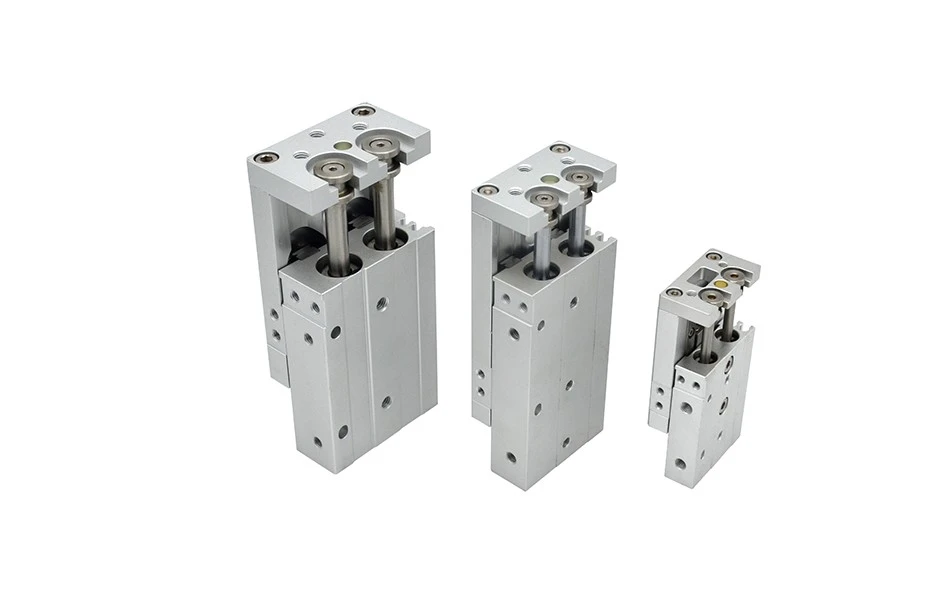
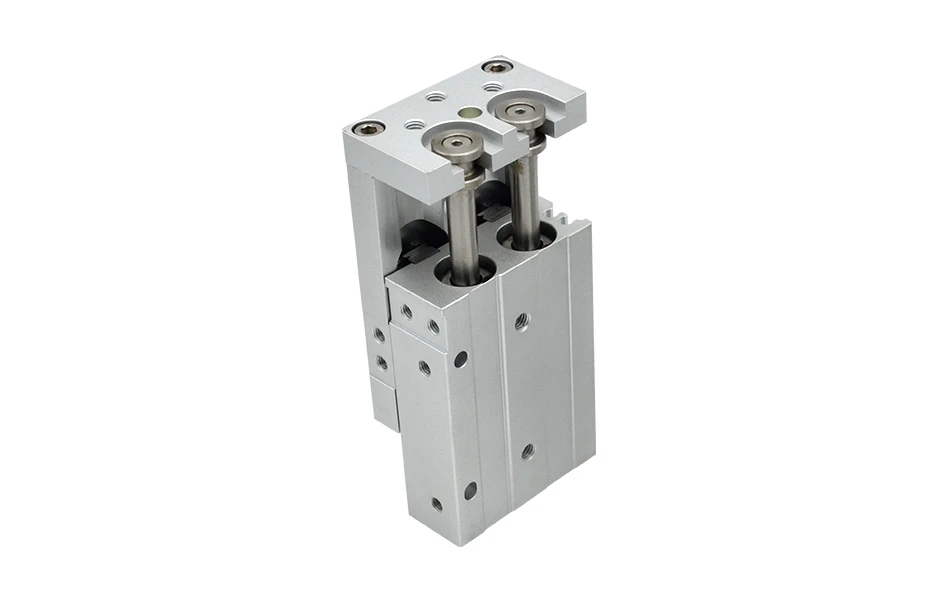
One of the first steps in preventing freezing is to choose the right slide table cylinder for the low - temperature environment. Our company offers several models designed to withstand cold conditions, such as the MXS SeriesAir Slide Table Cylinder. These cylinders are constructed with materials that can resist the effects of cold temperatures, such as special seals that remain flexible even in freezing conditions.
The HLH Series Slide Table Cylinder and HLQ Series Slide Table Cylinder are also excellent choices. They are engineered with advanced insulation and heat - retention features, which help to maintain a stable internal temperature and prevent the formation of ice.
Moisture Removal
As mentioned earlier, moisture is the main cause of freezing in slide table cylinders. Therefore, removing moisture from the compressed air system is essential. There are several ways to achieve this:
Air Dryers
Installing an air dryer in the compressed air system is one of the most effective ways to remove moisture. Refrigerated air dryers work by cooling the compressed air, causing the water vapor to condense into liquid water, which is then drained away. Desiccant air dryers, on the other hand, use a desiccant material to adsorb the water vapor from the compressed air.
Filters
In addition to air dryers, filters can also help to remove moisture and other contaminants from the compressed air. Coalescing filters are designed to remove liquid water and oil aerosols from the air, while particulate filters can remove dust and other solid particles.
Draining Systems
Regularly draining the moisture from the compressed air system is also crucial. This can be done manually or automatically using drain valves. Automatic drain valves are more convenient as they can be set to open at regular intervals, ensuring that the moisture is continuously removed from the system.
Insulation and Heating
Another effective way to prevent freezing is to insulate the slide table cylinders and provide additional heating if necessary.
Insulation Materials
Insulating the cylinders with materials such as foam or fiberglass can help to reduce heat loss and maintain a stable temperature. These materials act as a barrier, preventing the cold air from reaching the cylinder and reducing the risk of freezing.
Heating Elements
In extremely cold environments, it may be necessary to install heating elements on the slide table cylinders. Electric heating tapes or heating jackets can be wrapped around the cylinders to provide additional heat. These heating elements can be controlled by a thermostat, ensuring that the temperature of the cylinder remains within the desired range.
Regular Maintenance
Regular maintenance is essential to ensure the proper functioning of slide table cylinders in low - temperature environments. Here are some maintenance tips:
Inspection
Regularly inspect the cylinders for signs of damage or wear, such as cracks, leaks, or loose connections. Check the seals and gaskets for any signs of deterioration, as these can allow moisture to enter the cylinder.
Lubrication
Proper lubrication is crucial to keep the moving parts of the cylinder functioning smoothly. Use a lubricant that is suitable for low - temperature conditions, as regular lubricants may thicken or freeze in cold temperatures.
Cleaning
Keep the cylinders clean by removing any dirt, dust, or debris that may accumulate on the surface. This can help to prevent the formation of ice and ensure the proper operation of the cylinder.
Training and Education
Finally, it's important to provide training and education to the operators and maintenance personnel. They should be aware of the risks associated with low - temperature environments and the proper procedures for preventing freezing. Training should include topics such as moisture removal, insulation, heating, and regular maintenance.
In conclusion, preventing the freezing of slide table cylinders in low - temperature environments requires a comprehensive approach that includes selecting the right cylinder, removing moisture from the compressed air system, providing insulation and heating, performing regular maintenance, and providing training to the personnel. By following these strategies, you can ensure the reliable operation of your slide table cylinders and minimize the risk of equipment failure and production downtime.
If you're interested in purchasing high - quality slide table cylinders that are suitable for low - temperature environments, please feel free to contact us for a consultation. We have a team of experts who can help you choose the right product for your specific needs and provide you with professional advice on installation and maintenance.
References
- Pneumatic System Handbook, Industrial Press Inc.
- Compressed Air and Gas Handbook, Ingersoll Rand.