

Die casting is a manufacturing process that involves forcing molten metal under high pressure into a mold cavity. Once the metal solidifies, the resulting part often has excess material, such as flash, runners, and gates, that need to be removed. This process is known as die casting trimming. As a die casting supplier, I understand the importance of efficient and precise trimming to ensure high-quality finished products. In this blog post, I will share some insights on how to perform die casting trimming effectively.
Understanding the Trimming Process
Before diving into the details of die casting trimming, it's essential to understand the basic principles of the process. Trimming is typically the final step in the die casting process, where the excess material is removed from the cast part. This is done to achieve the desired shape, size, and surface finish of the part. The trimming process can be performed using various methods, including mechanical trimming, hydraulic trimming, and laser trimming.
Mechanical Trimming
Mechanical trimming is one of the most common methods used in die casting. It involves using a trimming die and a press to cut off the excess material. The trimming die is a custom-made tool that is designed to fit the specific shape of the cast part. The press applies a high force to the die, which shears off the excess material.
To perform mechanical trimming, the cast part is first placed in the trimming die. The die is then closed, and the press is activated. The force applied by the press causes the excess material to be cut off along the pre-determined cutting lines. Mechanical trimming is a relatively simple and cost-effective method, but it requires precise tooling and setup to ensure accurate trimming.
Hydraulic Trimming
Hydraulic trimming is similar to mechanical trimming, but it uses a hydraulic press instead of a mechanical press. Hydraulic presses offer several advantages over mechanical presses, including higher force capabilities, better control, and the ability to perform more complex trimming operations.
In hydraulic trimming, the cast part is placed in the trimming die, and the die is closed. The hydraulic press then applies a high pressure to the die, which shears off the excess material. Hydraulic trimming is often used for larger and more complex cast parts that require a higher level of precision.
Laser Trimming
Laser trimming is a more advanced method of die casting trimming that uses a high-powered laser beam to cut off the excess material. Laser trimming offers several advantages over mechanical and hydraulic trimming, including higher precision, faster cutting speeds, and the ability to trim complex shapes.
To perform laser trimming, the cast part is placed on a worktable, and the laser beam is directed at the excess material. The laser beam melts and vaporizes the material, leaving a clean and precise cut. Laser trimming is a relatively expensive method, but it is often used for high-precision applications where traditional trimming methods may not be suitable.
Choosing the Right Trimming Method
The choice of trimming method depends on several factors, including the size and complexity of the cast part, the desired level of precision, and the production volume. Mechanical trimming is a good choice for small to medium-sized parts with simple shapes and low to medium production volumes. Hydraulic trimming is suitable for larger and more complex parts that require a higher level of precision and higher production volumes. Laser trimming is ideal for high-precision applications where traditional trimming methods may not be able to achieve the desired level of accuracy.
Tools and Equipment for Die Casting Trimming
In addition to the trimming method, the right tools and equipment are essential for effective die casting trimming. Here are some of the key tools and equipment used in die casting trimming:
- Trimming Dies: As mentioned earlier, trimming dies are custom-made tools that are designed to fit the specific shape of the cast part. They are typically made from high-strength steel and are precision machined to ensure accurate trimming.
- Presses: Whether it's a mechanical press, hydraulic press, or laser cutting machine, the press is the primary equipment used to apply the force required to cut off the excess material.
- Fixtures and Jigs: Fixtures and jigs are used to hold the cast part in place during the trimming process. They ensure that the part is properly aligned and positioned, which is crucial for accurate trimming.
- Safety Equipment: Die casting trimming can be a dangerous process, so it's important to use the appropriate safety equipment, such as gloves, goggles, and ear protection.
Tips for Effective Die Casting Trimming
Here are some tips to help you perform die casting trimming more effectively:
- Design for Trimming: When designing the die casting part, it's important to consider the trimming process. The part should be designed in such a way that the excess material can be easily removed without causing damage to the part.
- Maintain the Trimming Tools: Regular maintenance of the trimming tools is essential to ensure their longevity and performance. This includes cleaning, lubricating, and sharpening the tools as needed.
- Optimize the Trimming Parameters: The trimming parameters, such as the cutting speed, force, and pressure, should be optimized based on the specific requirements of the cast part. This will help to achieve the best possible trimming results.
- Inspect the Trimmed Parts: After trimming, it's important to inspect the parts to ensure that they meet the required specifications. Any defects or inconsistencies should be addressed immediately.
Using Advanced Pneumatic and Linear Motion Components
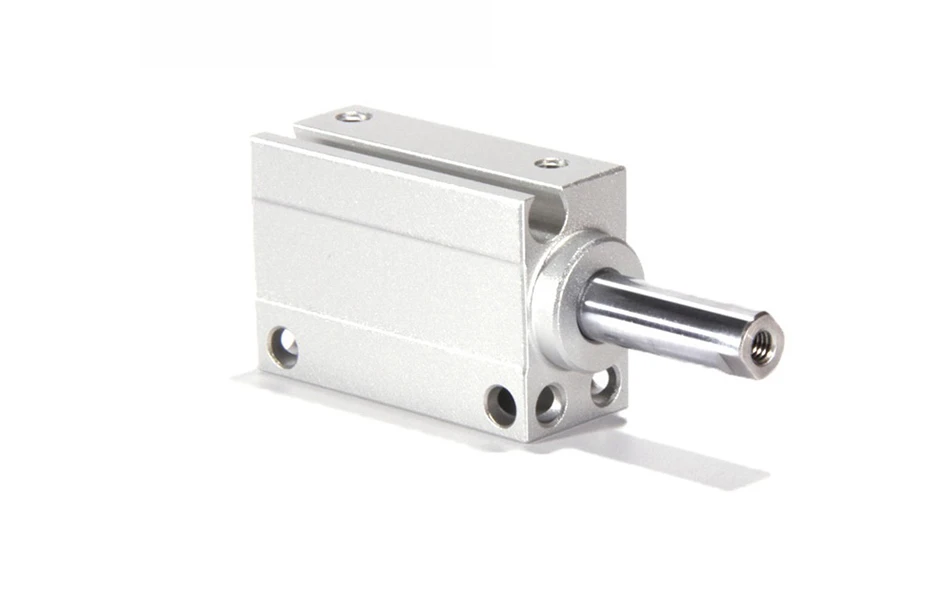
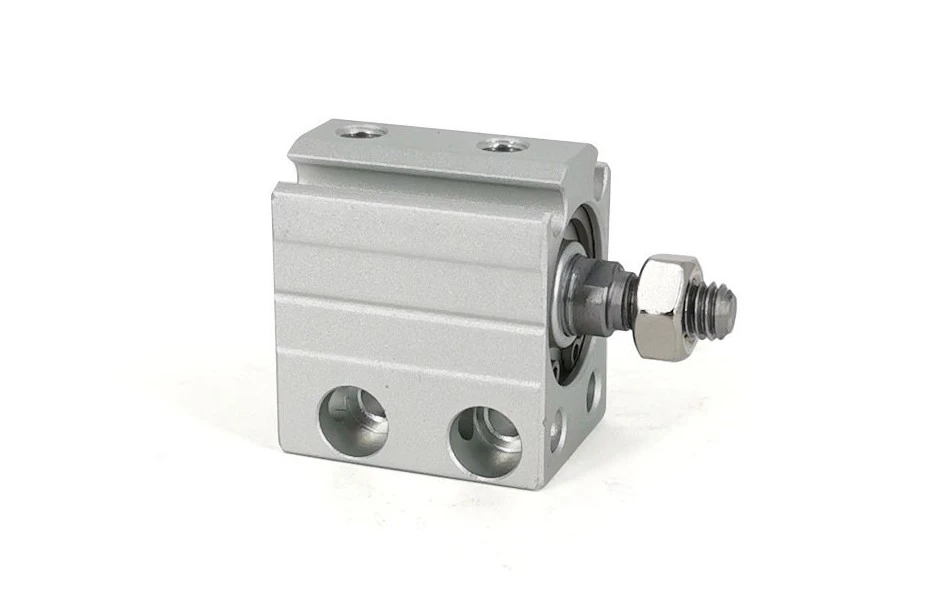
In modern die casting trimming operations, advanced pneumatic and linear motion components can significantly enhance the efficiency and precision of the process. For example, the MU Series Multi Position Fixed Cylinder offers precise multi - position control, which can be used to accurately position the trimming tools or the cast parts during the trimming process. This cylinder provides reliable and repeatable motion, ensuring consistent trimming results.
The MHF2 Thin Gripper Parallel is another useful component. It can be used to hold the cast parts securely in place during trimming. Its thin design allows for easy integration into tight spaces, and its parallel gripping action ensures a firm hold on the part, preventing any movement that could affect the trimming accuracy.
For linear motion, the V18 Sereries High rigidity Crossed Roller provides high rigidity and smooth motion. It can be used in the trimming equipment to guide the movement of the trimming tools or the cast parts, ensuring straight and accurate cuts.
Contact for Purchase and Collaboration
If you are in the market for high - quality die casting services and need expert advice on die casting trimming, we are here to help. Our team of experienced professionals has extensive knowledge and expertise in die casting and trimming processes. We can provide customized solutions to meet your specific requirements. Whether you need a small batch of parts or high - volume production, we have the capabilities to deliver.
Feel free to reach out to us to discuss your project. We are committed to providing you with the best products and services at competitive prices. Let's work together to achieve your manufacturing goals.
References
- Campbell, J. D. (2003). Castings. Butterworth - Heinemann.
- Kalpakjian, S., & Schmid, S. R. (2008). Manufacturing Engineering and Technology. Pearson Prentice Hall.
- Davis, J. R. (2008). Aluminum and Aluminum Alloys. ASM International.