

Integrating the MHF2 thin gripper parallel with a robotic arm can significantly enhance the efficiency and functionality of automated systems. As a supplier of the MHF2 thin gripper parallel, I am well - versed in the process and will guide you through it in this blog.
Understanding the MHF2 Thin Gripper Parallel
The MHF2 thin gripper parallel is a high - performance gripper known for its compact design, high gripping force, and precision. It is suitable for various industrial applications such as pick - and - place operations, assembly lines, and quality control processes. The thin profile of the gripper allows it to access tight spaces, making it an ideal choice for applications where space is limited.
Prerequisites for Integration
Before integrating the MHF2 thin gripper parallel with a robotic arm, several prerequisites need to be met. First, you need to ensure that the robotic arm has the necessary payload capacity to support the weight of the gripper and the objects it will handle. The payload capacity of the robotic arm should also take into account any additional forces generated during the gripping and movement processes.
Second, the robotic arm should have a compatible mounting interface. Most modern robotic arms come with standard mounting interfaces, but you may need to use an adapter plate if the gripper's mounting pattern does not match the arm's.
Third, you need to have a reliable control system. The control system should be able to communicate with both the robotic arm and the gripper. It should be capable of sending commands to open and close the gripper and coordinating the movement of the robotic arm.
Step - by - Step Integration Process
1. Mounting the Gripper
The first step is to mount the MHF2 thin gripper parallel onto the robotic arm. This typically involves using screws or bolts to attach the gripper to the arm's mounting flange. Make sure to align the gripper properly to ensure smooth operation.

2. Electrical and Pneumatic Connections
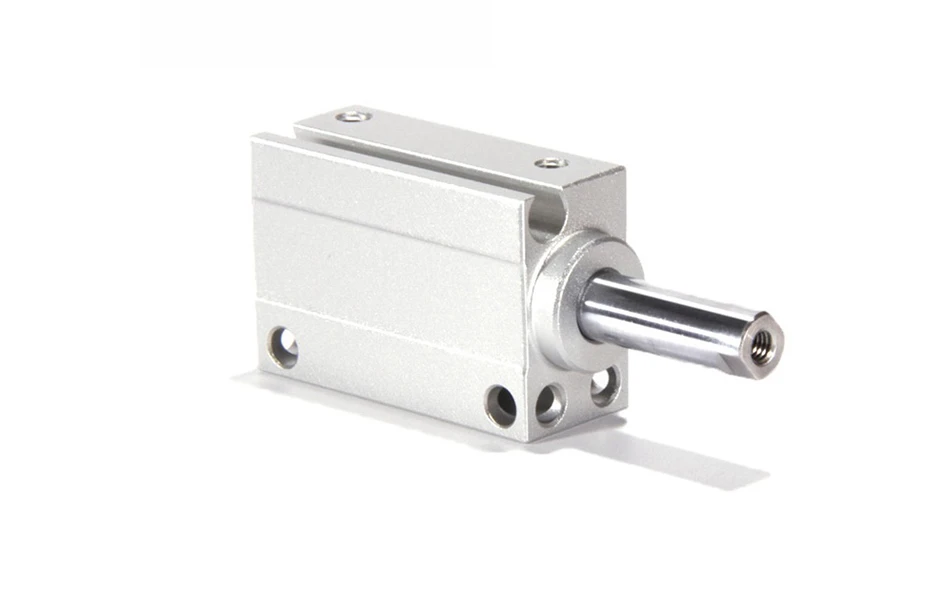
The MHF2 thin gripper parallel usually operates on pneumatic power. You need to connect the gripper to a pneumatic supply. This involves attaching the appropriate air hoses from the pneumatic source to the gripper's air ports.
In addition to the pneumatic connections, you also need to establish electrical connections if the gripper has sensors or other electronic components. The electrical connections are used to transmit signals between the gripper and the control system.
3. Programming the Control System
Once the gripper is mounted and connected, you need to program the control system to operate the gripper in conjunction with the robotic arm. The programming process may vary depending on the type of control system you are using.
Most control systems provide a programming interface where you can define the opening and closing positions of the gripper, as well as the speed and force of the gripping action. You also need to program the robotic arm's movements to synchronize with the gripper's operation. For example, you can program the arm to move to a specific position, open the gripper, pick up an object, and then move to another location and release the object.
Compatibility with Other Components
The MHF2 thin gripper parallel can be integrated with other components to further enhance the functionality of the automated system. For example, it can be used in combination with the MU Series Multi Position Fixed Cylinder. The multi - position fixed cylinder can provide additional linear motion, which can be useful for applications such as pushing or pulling objects in addition to gripping them.
The FZ25P Auxiliary Support Air Cylinder can also be used in conjunction with the MHF2 thin gripper parallel. The auxiliary support air cylinder can provide additional support or clamping force, which is especially useful when handling large or heavy objects.
Another useful component is the CU Multi Position Free Mount Cylinder. This cylinder can be freely mounted in different positions, allowing for more flexibility in the design of the automated system. It can be used to provide additional degrees of freedom or to perform secondary operations.
Troubleshooting and Maintenance
During the integration process and the subsequent operation of the system, you may encounter some issues. Here are some common problems and their solutions:
1. Gripping Force Issues
If the gripping force is too weak, check the pneumatic pressure. Ensure that the pneumatic supply is providing the correct pressure as specified in the gripper's manual. You may also need to check for any air leaks in the pneumatic hoses or connections.
If the gripping force is too strong, adjust the pressure regulator to reduce the pressure. This can prevent damage to the objects being gripped.
2. Communication Problems
If there are communication problems between the gripper and the control system, check the electrical connections. Make sure that the cables are properly plugged in and that there are no loose connections. You may also need to check the programming of the control system to ensure that the correct commands are being sent to the gripper.
Regular maintenance is also crucial for the long - term performance of the integrated system. This includes cleaning the gripper regularly to remove any debris or contaminants, lubricating the moving parts as recommended by the manufacturer, and inspecting the pneumatic and electrical connections for any signs of wear or damage.
Conclusion
Integrating the MHF2 thin gripper parallel with a robotic arm can bring numerous benefits to industrial automation systems. By following the steps outlined in this blog, you can ensure a successful integration process. The compatibility with other components such as the MU Series Multi Position Fixed Cylinder, FZ25P Auxiliary Support Air Cylinder, and CU Multi Position Free Mount Cylinder further expands the system's capabilities.
If you are interested in purchasing the MHF2 thin gripper parallel or have any questions about the integration process, please feel free to contact us for further discussion and negotiation. We are committed to providing you with the best products and technical support.
References
- Manufacturer's Manual of MHF2 thin gripper parallel
- Technical Documentation of Robotic Arms
- Pneumatic System Design Guidelines