

Can finger cylinders be used in food - grade applications?
As a supplier of finger cylinders, I often get asked whether our products can be used in food - grade applications. This is a crucial question, considering the strict safety and hygiene standards in the food industry. In this blog post, I'll explore the feasibility of using finger cylinders in food - grade environments, the factors to consider, and the specific products we offer that might be suitable.
Understanding Finger Cylinders
Finger cylinders, also known as gripper cylinders, are pneumatic or hydraulic devices used to grasp and hold objects. They come in various types, such as parallel grippers, angular grippers, and multi - finger grippers. These cylinders are widely used in automation and manufacturing processes for tasks like picking, placing, and assembling parts.
Requirements for Food - Grade Applications
The food industry has unique requirements when it comes to equipment. Hygiene is of utmost importance. Any equipment used in food processing must be easy to clean and sanitize to prevent the growth of bacteria and other contaminants. Additionally, the materials used in the equipment should be non - toxic and food - safe. They should not leach any harmful substances into the food.
Another important factor is the resistance to corrosion. Food processing environments often involve exposure to moisture, acids, and other chemicals. Equipment that corrodes easily can contaminate the food and also lead to premature failure of the equipment.
Can Finger Cylinders Meet Food - Grade Requirements?
The answer is yes, but with certain conditions. First, the materials used in the construction of the finger cylinders are crucial. For food - grade applications, we typically use stainless steel or other food - safe plastics. Stainless steel is highly resistant to corrosion and is easy to clean. It is also a common material in the food industry due to its durability and non - toxic nature.
Some of our finger cylinders, such as the MHZ2 Parallel Type Air Gripper, are designed with food - grade materials in mind. These grippers are made of high - quality stainless steel that can withstand the harsh conditions in food processing plants. They have smooth surfaces that are easy to wipe clean and sanitize.
The MHZ2 Double Acting Two Jaw Cylinder is another product that can be suitable for food - grade applications. It offers precise gripping force and is designed for reliable operation. The double - acting mechanism allows for quick and efficient gripping and releasing of objects, which is essential in high - speed food processing lines.
The MHZ2 Single Acting Two Jaw Cylinder is also a viable option. It is cost - effective and has a simple design, making it easy to maintain. This single - acting cylinder can be used in applications where a less complex gripping solution is required.
Considerations for Using Finger Cylinders in Food - Grade Applications
Even if the finger cylinders are made of food - safe materials, there are still some considerations. The seals used in the cylinders are an important aspect. The seals should be made of materials that are compatible with food and can withstand the cleaning and sanitizing agents used in the food industry.
The lubrication used in the cylinders is another factor. In food - grade applications, food - safe lubricants should be used. These lubricants are non - toxic and do not contaminate the food.
It is also important to ensure that the finger cylinders are installed and maintained properly. Regular inspections and cleaning are necessary to prevent the buildup of dirt and contaminants.
Advantages of Using Finger Cylinders in Food - Grade Applications
There are several advantages of using finger cylinders in food - grade applications. First, they offer precise and reliable gripping. This is important in food processing, where products need to be handled carefully to avoid damage.

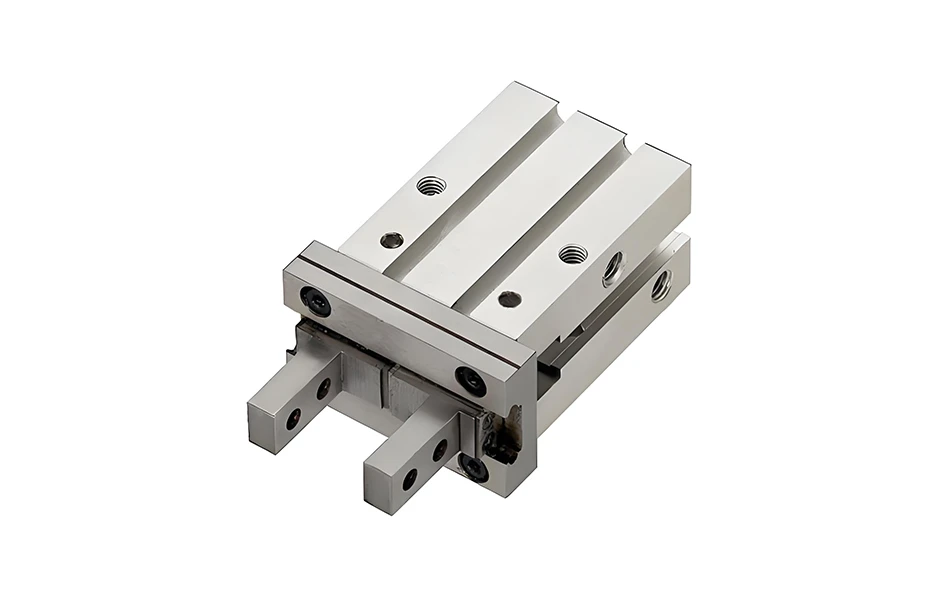
Finger cylinders can also improve the efficiency of the food processing line. They can be integrated into automated systems, allowing for faster and more consistent picking and placing of food products.
In addition, using finger cylinders can reduce the risk of human error. In a food processing environment, human contact with the food can increase the risk of contamination. By using automated finger cylinders, this risk can be minimized.
Conclusion
In conclusion, finger cylinders can be used in food - grade applications, provided that they are made of food - safe materials, use food - safe lubricants, and are properly maintained. Our company offers a range of finger cylinders, such as the MHZ2 Parallel Type Air Gripper, MHZ2 Double Acting Two Jaw Cylinder, and MHZ2 Single Acting Two Jaw Cylinder, that are suitable for food - grade applications.
If you are in the food industry and are looking for reliable and food - safe finger cylinders, we encourage you to contact us for more information and to discuss your specific requirements. Our team of experts can help you choose the right product for your application and provide you with all the necessary support for installation and maintenance.
References
- "Food Safety and Hygiene in the Food Industry", Food and Agriculture Organization of the United Nations.
- "Pneumatic Components for Food - Grade Applications", Industrial Pneumatics Handbook.