

Hey there! As a pneumatic cylinder supplier, I often get asked a bunch of questions from customers. One of the most common ones is, "Can a pneumatic cylinder be used in a low - temperature environment?" Well, let's dive right into this topic and find out.
First off, let's understand what a pneumatic cylinder is. In simple terms, it's a mechanical device that uses compressed air to generate force and motion. These cylinders are used in a wide range of industries, from manufacturing to automotive, and even in some home - based DIY projects.
Now, when it comes to low - temperature environments, things can get a bit tricky. Low temperatures can have a significant impact on the performance of pneumatic cylinders. For starters, the air inside the cylinder can contract as the temperature drops. This contraction can lead to a decrease in pressure, which in turn affects the force output of the cylinder. If the pressure drops too much, the cylinder might not be able to perform its intended function, like moving a heavy object or clamping a workpiece.

Another issue is the effect of low temperatures on the lubricants used in pneumatic cylinders. Most lubricants become thicker and more viscous in cold conditions. This increased viscosity can cause problems with the smooth operation of the cylinder. The piston might not move as freely as it should, leading to jerky movements or even a complete failure of the cylinder.
But that doesn't mean pneumatic cylinders can't be used in low - temperature environments at all. There are ways to make them work effectively. One solution is to use special low - temperature lubricants. These lubricants are designed to maintain their properties even in cold conditions, ensuring that the cylinder operates smoothly.
We also have to consider the materials used in the construction of the pneumatic cylinder. Some materials are more resistant to low temperatures than others. For example, certain types of plastics and rubbers can become brittle in cold weather, which can lead to cracks and leaks. So, it's important to choose cylinders made from materials that can withstand low temperatures.
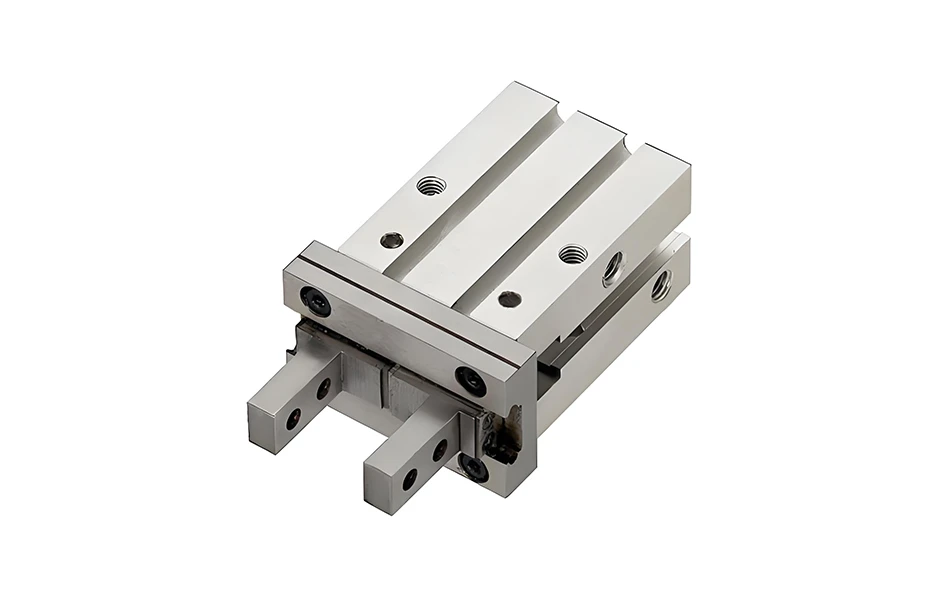
At our company, we offer a variety of pneumatic cylinders that are suitable for different environments, including low - temperature ones. Take a look at our MHZ2 Parallel Type Air Gripper. This gripper is designed with high - quality materials that can handle a wide range of temperatures. It's a great choice for applications where precise gripping is required, even in cold conditions.
Another option is our CDU Free Installation Air Cylinder. This cylinder is known for its compact design and easy installation. It's also built to perform well in low - temperature environments, thanks to its special construction and the use of appropriate materials.
In some cases, we also use additional components to help pneumatic cylinders work better in cold weather. For example, we might install heaters to keep the air inside the cylinder at a suitable temperature. This can prevent the air from contracting too much and maintain the pressure required for proper operation.
However, it's not just about the cylinders themselves. The entire pneumatic system needs to be considered. The air supply lines, valves, and other components can also be affected by low temperatures. For instance, moisture in the air supply can freeze in cold conditions, blocking the lines and causing problems. So, it's important to have a proper air treatment system in place to remove moisture and ensure a clean and dry air supply.
Let's talk about some real - world applications where pneumatic cylinders are used in low - temperature environments. In the food processing industry, many processes take place in cold storage areas. Pneumatic cylinders are used for tasks like moving conveyor belts, sorting products, and packaging. These cylinders need to work reliably in cold conditions to keep the production line running smoothly.
In the automotive industry, pneumatic cylinders are used in various applications, including Brake System Components. In cold climates, these cylinders need to perform well to ensure the safety of the vehicle. If a pneumatic cylinder in the brake system fails due to low temperatures, it can have serious consequences.
So, to answer the question, yes, a pneumatic cylinder can be used in a low - temperature environment, but it requires careful consideration and proper planning. You need to choose the right cylinder, use appropriate lubricants, and ensure that the entire pneumatic system is designed to handle the cold conditions.
If you're in the market for pneumatic cylinders for a low - temperature application or any other application, don't hesitate to reach out. We're here to help you find the best solutions for your needs. Whether you need a single cylinder or a complete pneumatic system, we have the expertise and the products to meet your requirements.
Let's work together to make your projects a success. Contact us today to start the conversation and discuss your specific needs. We're looking forward to hearing from you and helping you get the right pneumatic cylinders for your low - temperature or other applications.
References
- "Pneumatic Systems Handbook" by David W. McCloy and H. R. Martin
- "Fluid Power Technology" by John F. Watton